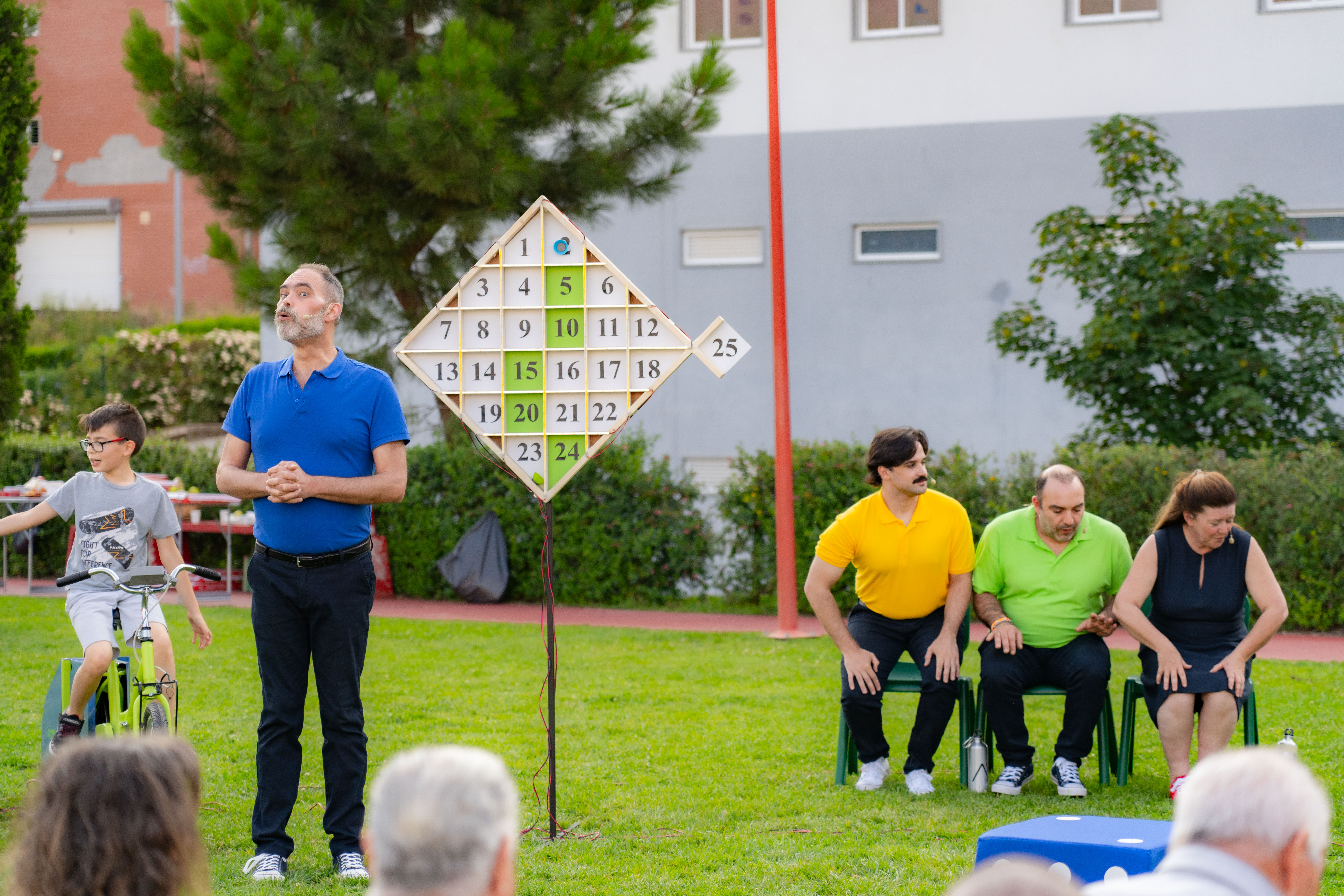
The performance-game by Asta Teatro was a challenge
The Green E.Th.I.Cs Asta premiere was a success, recognizing the team's efforts. Following the suggested model, a show based on the “goose game” reflected on climate change.
After two years of preparation and rehearsals, the artistic partners of the Green E.Th.I.Cs project are starting to present their final performances and games. This model was suggested by the partner leader, UNITO, with the main goal of raising awareness about climate change and other topics related to our beautiful planet.
ASTA TEATRO was founded in 2000. It is composed of a group inspired by a transdisciplinary culture with theater at its core. Their headquarters are in Covilhã, a city with a strong environmental heritage.
Susanna Marques, the communication manager of ASTA, a group based in Portugal, answered some questions we are preparing for each group to better understand their experience and the impact of such a challenging creative work.


How was your experience during the rehearsals?
The proposal for the show, a performance-game, was quite challenging. Each creative process, from rehearsals to presenting a show, has always different flows: pure artistic creation, creative voids and all the other narratives regarding everyone involved in this process. There is always someone who guides all of this. For ASTA, was Antonio Abernú, who directed our "GREEN E.Th.I.Cs Game-Performance".
This show, due to its particularities and requirements: scientific, technical, interactive, production, cast and mediation work on the topic of climate change with the different audiences... was a challenge! A climate challenge! :)
Was the creation of the performance a collective effort or based on the director's idea?
We followed the model suggested by the project, a show based on the “goose game” made up of moments (game houses) that address different themes related to climate change.
It was our goal to reach mainly people who are not yet much aware about Climate Change.
The creative process was guided by Abernú, based on the researches about climate change. The director, who also wrote the scenes, gave the actors creative freedom to experiment and create. Sometimes starting from an idea, from a short written dialogue, the scenes emerged in a democratic process of creation between everyone. Some written scenes, in practice, disappeared, because it didn't work as imagined.
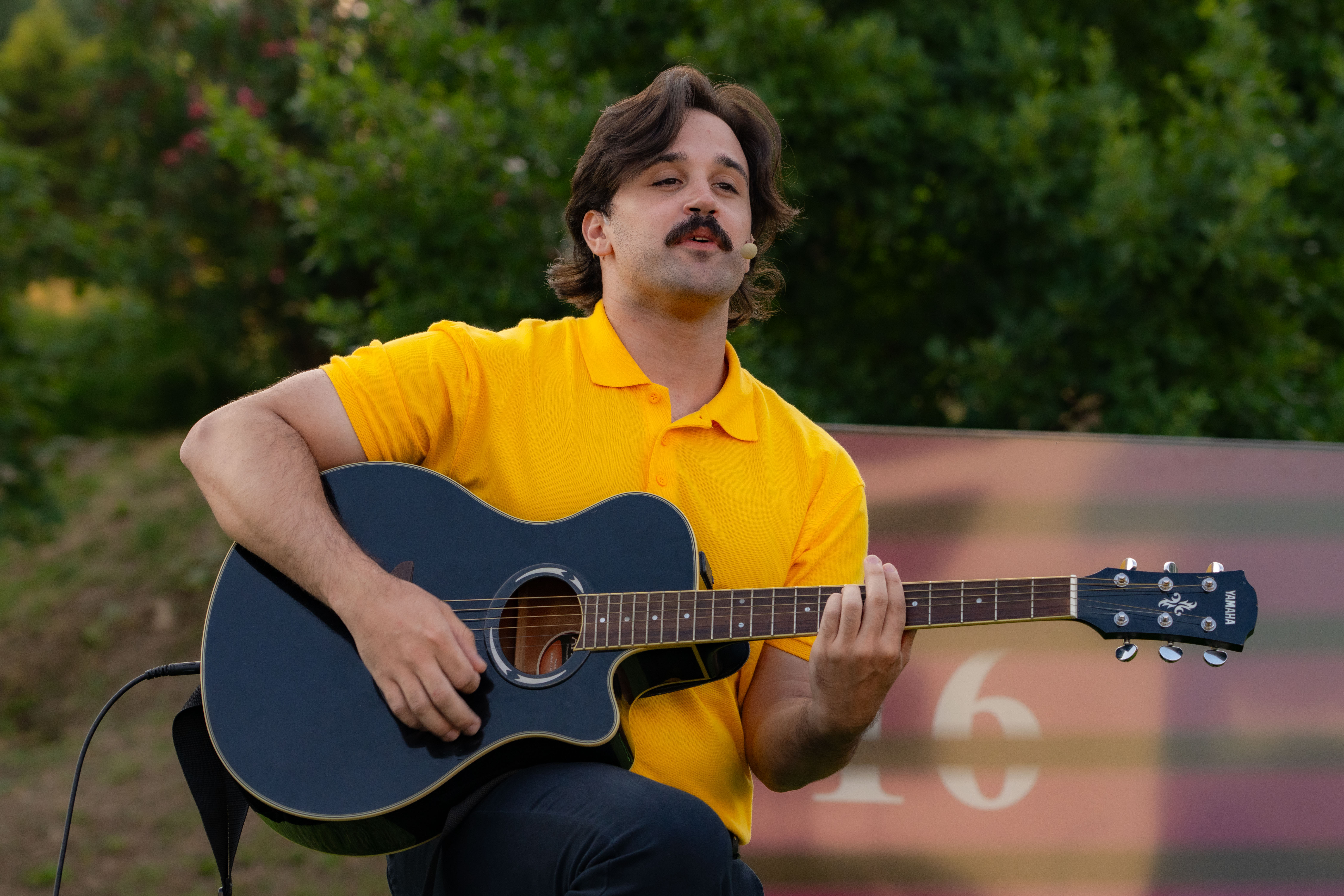
Our show as theatrical moments, video moments and even an original song about recycling waste, created and performed live by João Gomes, one of the actors.


What topics did you address in your performance and why?
António Abernú did a course on climate change at the University of Cádiz: “EMISSION IMPOSSIBLE” and worked to frame all the information collected according to our social reality and literacy.
Many themes were covered, such as the greenhouse effect, water and textile waste, energy efficiency, eco-anxiety - a rapidly growing topic - and many other subjects portrayed in a simple and clear way, sometimes even crudely, so that the majority of people could understand.
Did you learn anything new about climate change during the preparation of the show?
Yes, of course! Although the topic of climate change is increasingly addressed, with this show we learned many new things and clarified others. Above all, we are more aware and active as individuals and as a group concerning our job to stop climate change.
Cultural agents are natural allies of scientists, as we are able to decode and transmit the scientific message, summoning emotions into the process… Climate change is a common challenge for all and communication is the key: science needs a more creative way to spread the knowledge and engage citizens, and that is what artist can do best.
How was the audience's reaction?
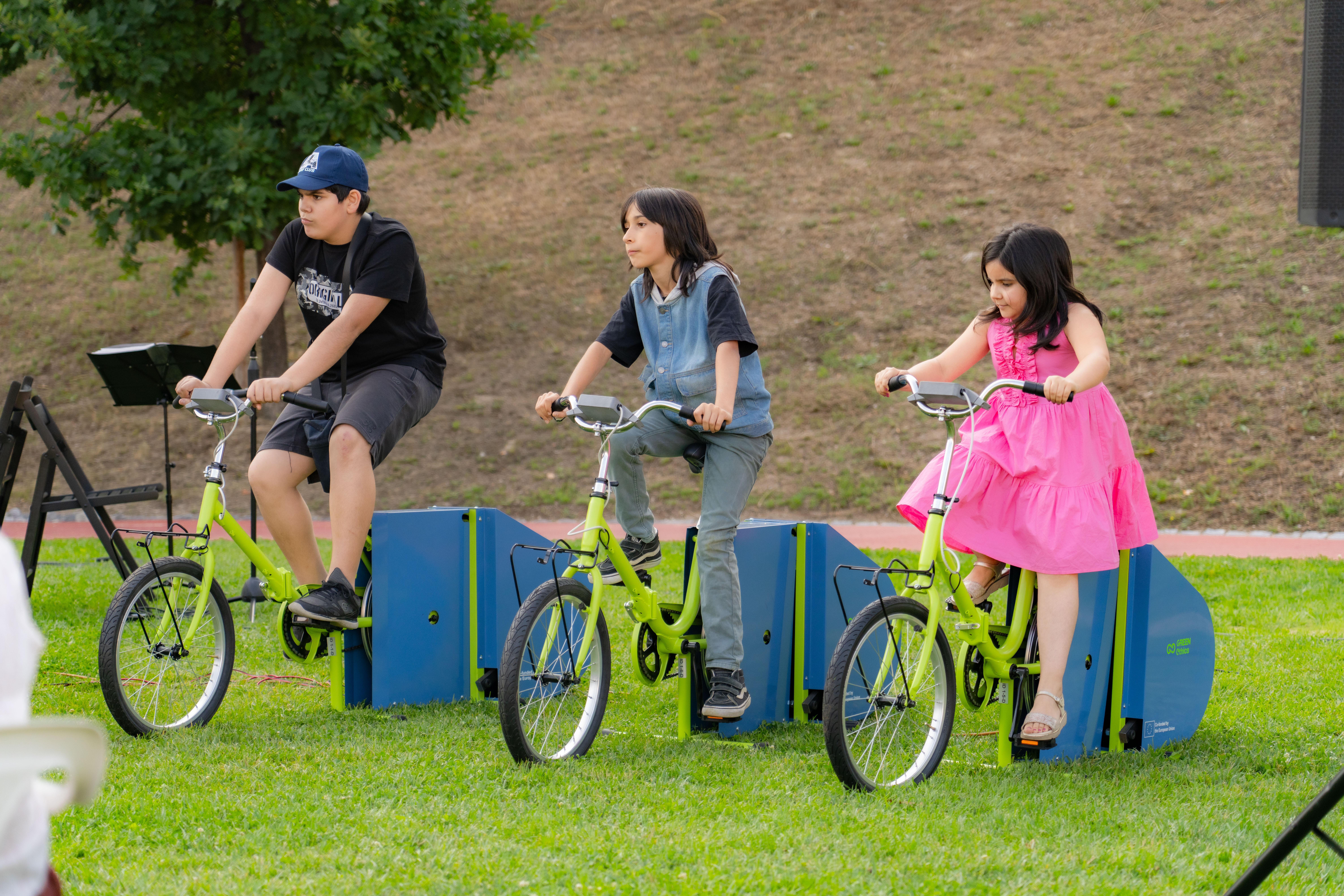
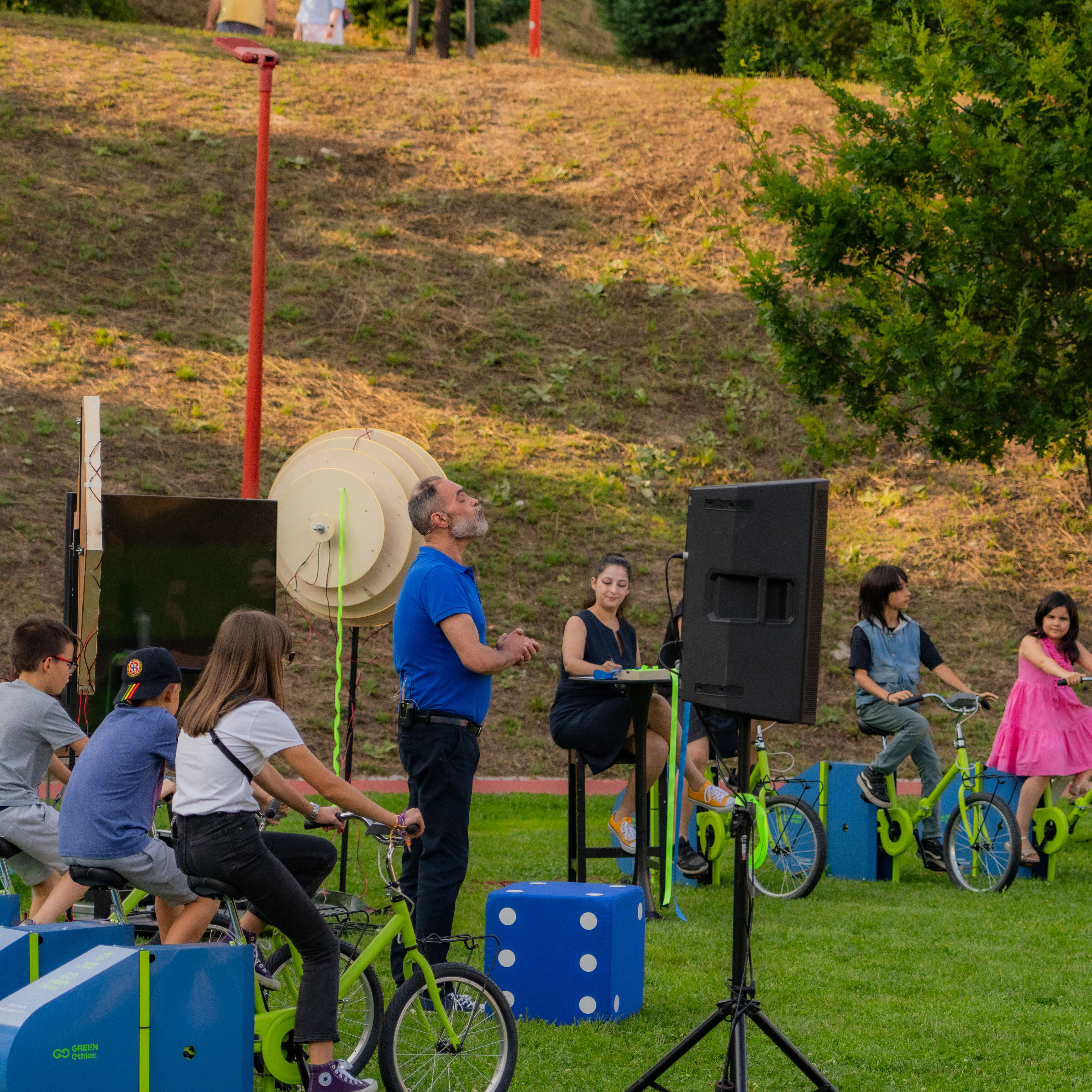
During the performances, we felt the audience was with us, having fun, since they participate a lot riding the bikes (to provide green energy for the show), throwing the dice… At the end we made a few interviews, and we heard things like. “It is difficult to explain these topics that can be boring and even moralistic, and it is easier to learn through games and fun” or that “the fact that spectators participate in the show leaves a very different memory and perception of what the show is about and about this themes in particular”.
Do you think that shows like this can raise awareness about climate change and resonate with all kinds of people, as it is the ultimate goal of the European Cultural Fund?"
Yes! Any type of project that involves people and communities through artistic processes of creation, informing, listening and making people participate in the final artistic object adds value for everyone.
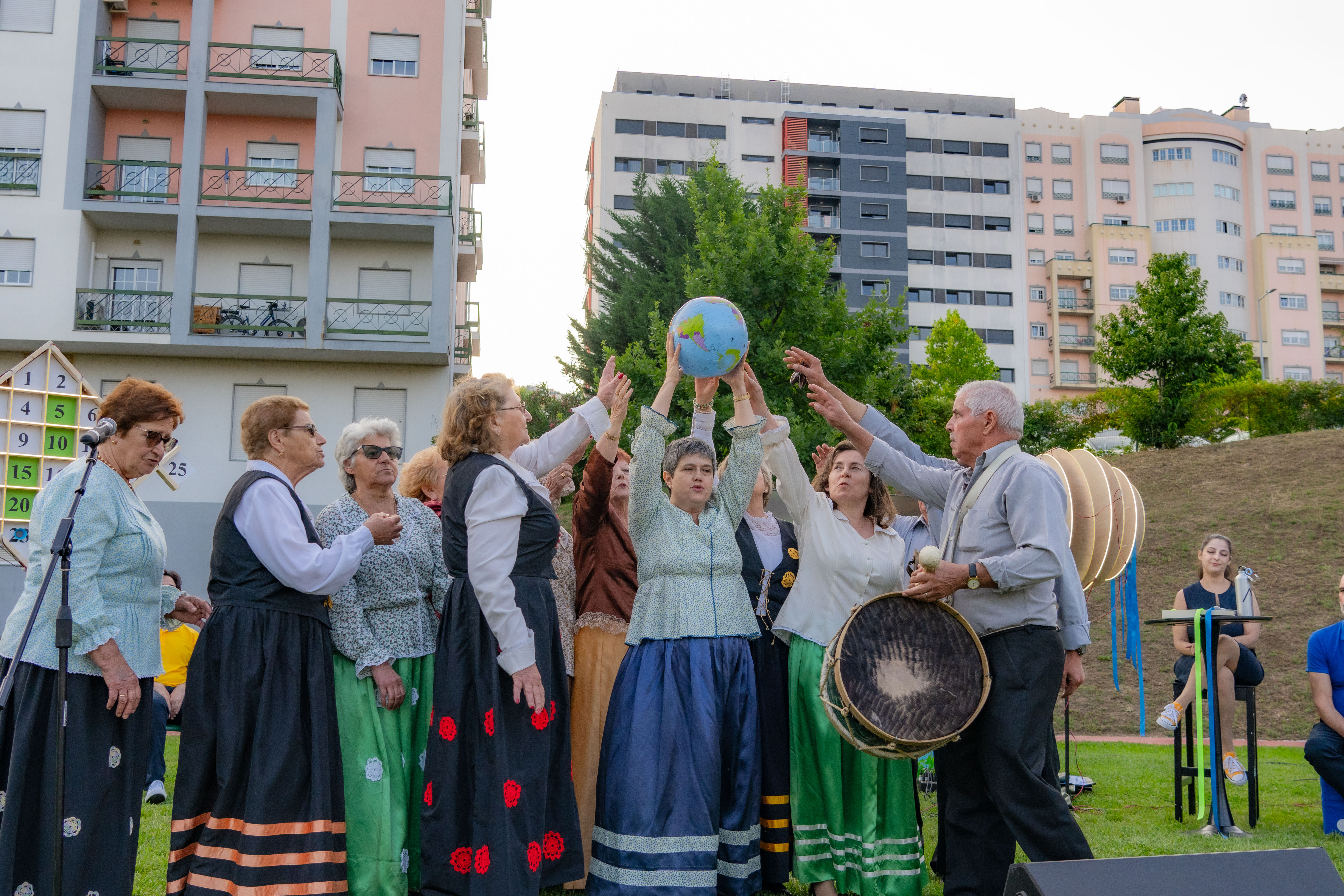
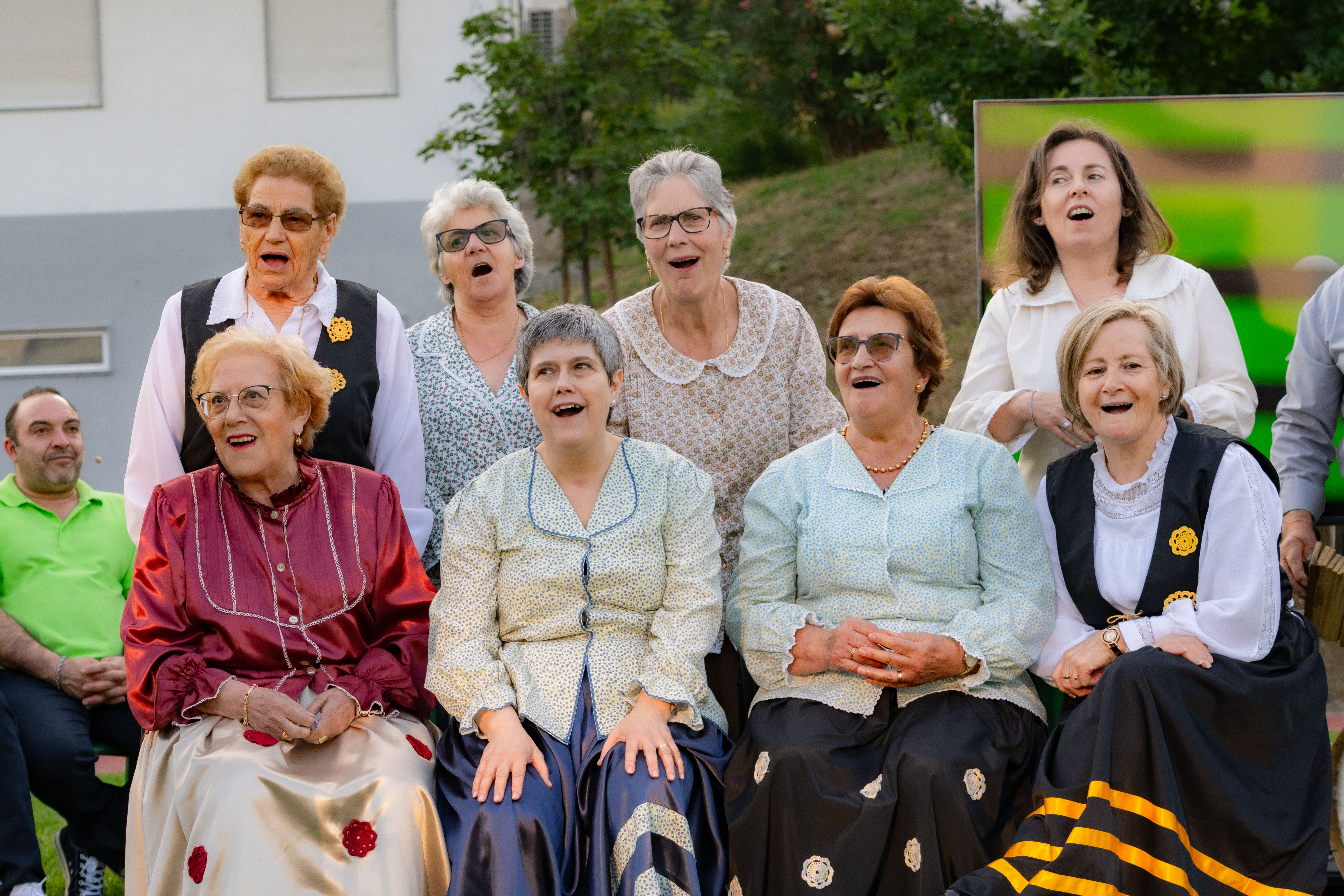
Some parts of our premier were made in collaboration with some communities, as foreseen in the project. The scenes created together with the partners Residui (Spain) and Il Melarancio (Italy) encourages the perception that we are all in the same boat, and we all have to contribute to the solution. That is the objective in a European project of this size.
We truly believe that educative projects involving Art like GREEN E.Th.I.Cs are always a differentiator. Projects where we can involve the community, integrated into the creative process, for sure have better results. We were pleasantly surprised by one of the communities –of elderly people-that participated in the premiere: the outstanding dedication and commitment they put into the mission of raising awareness among younger people about the need to live in a more responsible and sustainable way on the planet. Truly inspiring for us all!