We Say NO to the EU's Delay of the Landmark Deforestation Regulation
Our planet is sending out an SOS.
On October 2nd, the European Commission proposed delaying by a year its landmark anti-deforestation law after facing pressure from governments and companies. The law would ban the import of products linked to forest degradation. As Stientje van Veldhoven, Vice-President and Regional Director for Europe at the World Resources Institute, stated: “The European Commission's proposal to delay the enforcement of the EU Deforestation Regulation is disappointing.”
This delay still needs approval from the European Parliament and member states, so we must unite and say NO.
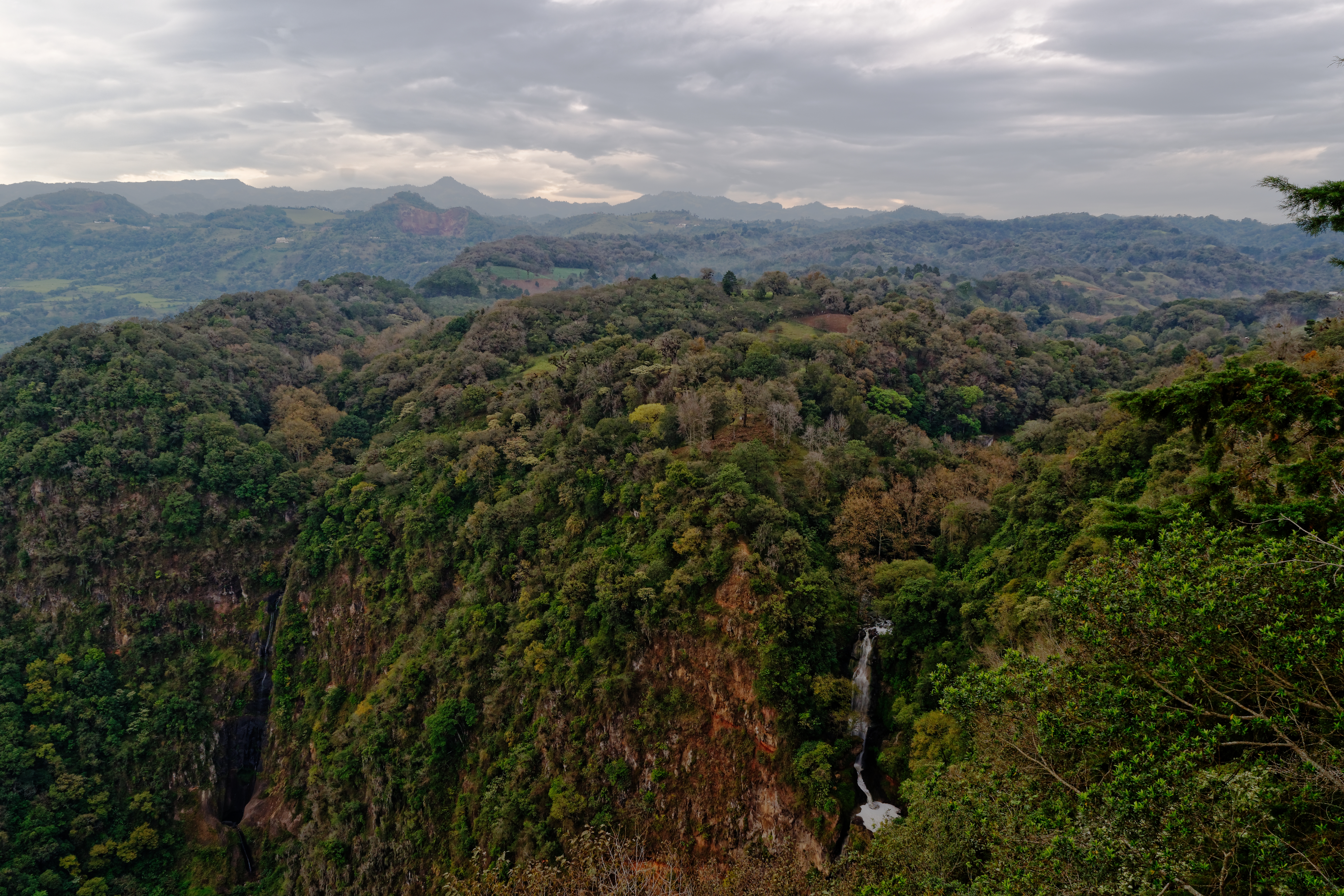
The Amazon rainforest is in grave danger. Ranchers and farmers are cutting down trees, and the lives of countless species are at risk. The Amazon plays a vital role in stabilizing the global climate, not only by producing oxygen but also by releasing tons of water into the atmosphere every day.
Indigenous communities living in the Amazon are also facing growing threats and need our support.
Climate change is not a future problem; we are already experiencing its effects. Glaciers are melting, droughts, wildfires, and extreme rainfall are becoming more frequent. Scientists and the Intergovernmental Panel on Climate Change (IPCC) warn that some of the changes we are witnessing are nearly irreversible, and global temperatures are set to rise in the coming decades. They have confirmed that human-caused emissions are the main driver of these rising temperatures.
More greenhouse gas emissions will result in more extreme weather events and widespread damage to our planet. The only way to prevent some of the worst outcomes is by significantly reducing carbon dioxide emissions.
We are destroying the planet’s flora and fauna. All biodiversity is being affected by global warming.
From the smallest insects to the largest mammals, many species are in serious danger of extinction. A NASA study showed that 65% of insect populations they examined could go extinct within the next century. Insects play a vital role in Earth’s ecosystems. They are essential for the pollination of fruits, vegetables, and flowers, the decomposition of organic matter, and even the control of harmful pests.
Migratory birds are also dying because they are not prepared to cope with climate extremes and their consequences, like wildfires, which force them to search for new feeding grounds and wintering areas. Heatwaves are disrupting bird reproduction and nestling survival. Many nestlings and chicks die from dehydration or a lack of food, as adult birds also struggle to survive due to climate change.
More and more animals are becoming extinct or are endangered because of climate change and expanding agriculture, which is encroaching on their habitats and destroying key ecosystems.
For example, Southern Africa's oldest baobab trees—some over 5,000 years old—have suddenly died. Researchers attribute this to climate change.
We must also consider another humanitarian disaster: migration due to climate change. According to the latest World Migration Report, more than 216 million people across six continents will be displaced within their countries by 2050, largely due to climate change.
No region of the planet is unaffected by climate change and the resulting human migration. The report profiles the Global South — Africa, Asia, Latin America, the Caribbean, and Oceania — as well as the Global North (Europe and North America) to illustrate the grim reality of how climate change is forcing people to move from their homes.
UN Secretary-General António Guterres has warned that a “mass exodus of biblical proportions” could occur in the future due to sea level rise, wildfires, and extreme weather events such as heatwaves, cold spells, heavy rainfall, droughts, tornadoes, and tropical cyclones.
We cannot remain silent. We must push our governments to take decisive action to combat climate change, and we cannot address the climate crisis without the Amazon's vital role in sustaining life on Earth.